permits · texas
Austin Permit Closure: Working With the 2021 Code and Central Texas Site Conditions
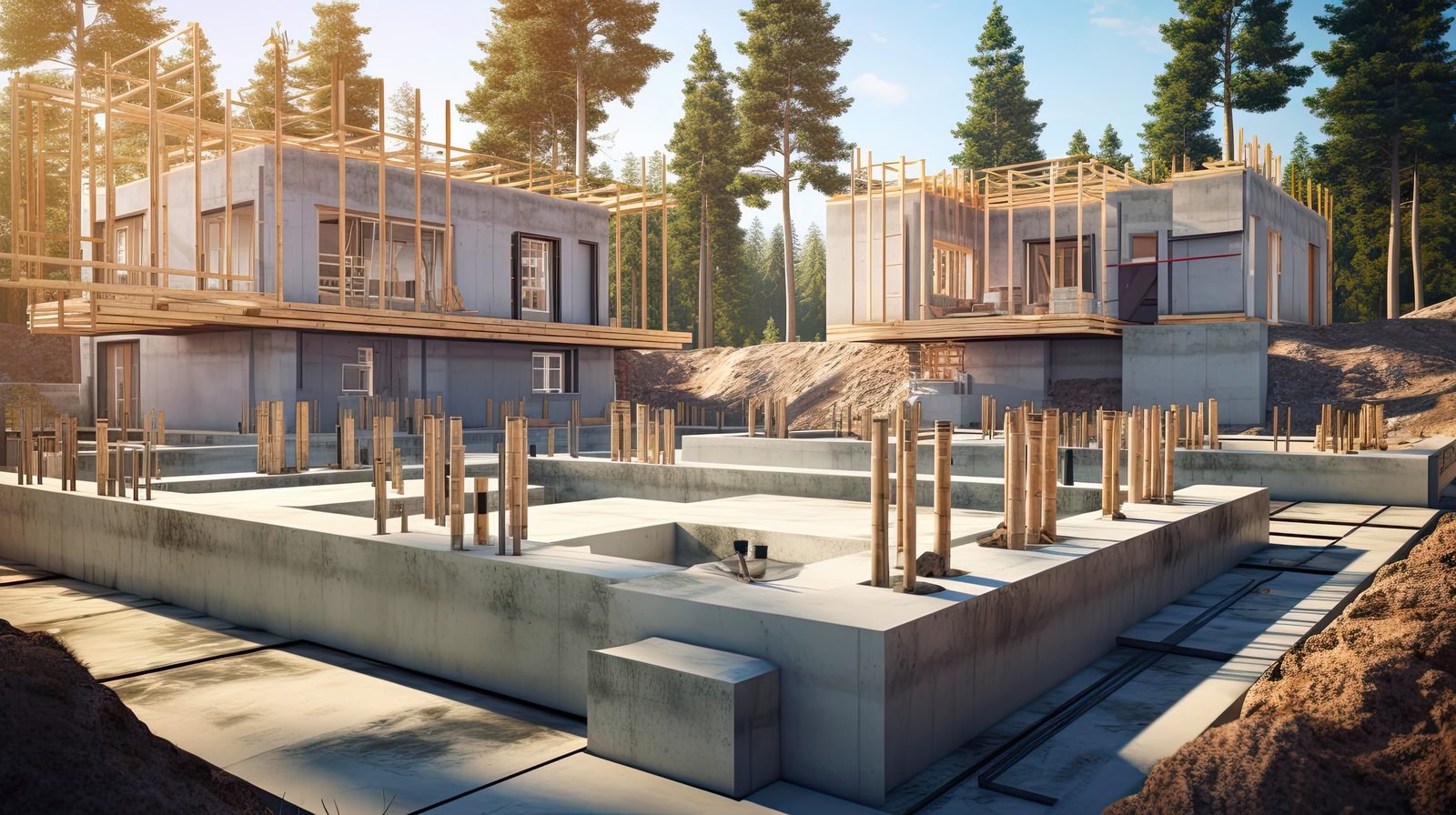
Austin’s permitting environment has two features that shape how permit closure works here: an aggressively amended local code, and a metro area where the governing authority changes several times within a twenty-mile radius.
Both come up constantly when a permit needs closing after the fact.
The code Austin actually enforces
Austin City Council approved the 2021 I-Codes on June 3, 2021, effective September 1, 2021. What is enforced is the Austin Residential Code 2021 — the 2021 IRC as modified by Austin’s local amendments.
Those amendments are more extensive than most Texas jurisdictions’, particularly around energy performance and flood provisions. Austin has a history of adopting requirements ahead of the base code, and the amendment document is worth consulting directly rather than working from the unamended IRC.
Texas has no statewide residential code mandate, so this is entirely municipal. Round Rock, Cedar Park, Georgetown, Pflugerville, Leander, and Kyle each adopt on their own schedules with their own amendments, and Travis, Williamson, and Hays counties handle unincorporated areas separately.
The practical implication for after-the-fact work: identifying the jurisdiction is not a formality. A letter written against Austin’s amendments for a property in unincorporated Hays County is citing rules that do not apply.
Jurisdiction in Central Texas
Three layers, and the boundaries are not intuitive.
Inside Austin city limits, Austin Development Services Department handles permitting, review, and inspection.
Austin’s extraterritorial jurisdiction (ETJ) is an area outside city limits where the city retains authority over certain matters — primarily subdivision and some development standards — while other requirements fall to the county. Which applies depends on the specific requirement, and this genuinely confuses people, including some contractors.
Unincorporated county areas fall to Travis, Williamson, Hays, or Bastrop County. Texas counties have more limited building regulation authority than municipalities, which changes the process substantially — sometimes meaning less oversight during construction and more difficulty documenting compliance afterward.
Suburban municipalities — Round Rock, Cedar Park, Georgetown, Pflugerville, Leander, Buda, Kyle, Dripping Springs — each run their own.
A mailing address does not settle any of this. The reliable approach is pulling permit history for the parcel and confirming which authority issued prior permits.
Expired permits
This is the most common Austin situation we are engaged for, and it has a specific trap.
A permit that has gone dormant past its allowed period generally expires. To final the work, the permit typically must be reinstated or a new one obtained — and the jurisdiction may apply the current code to the reinstated permit rather than the code in effect when it was originally issued.
For work completed years ago under an earlier edition, that can mean the completed work is now being measured against a standard that did not exist when it was built. Whether a department applies the original or current code to a reinstatement varies, and it is worth establishing in writing before any engineering begins, because it changes the entire analysis.
Where the original code can be applied, dating the work matters. Useful evidence:
- Dated construction photographs with metadata intact
- Contractor invoices and material receipts
- The original permit record, including any inspection results that were performed
- Utility connection records
- Prior listing photographs, frequently archived with dates
- Aerial and street-level imagery with capture dates
Missed inspections
The structural logic is the same everywhere: a department cannot final work it never verified, and concealed work cannot be verified after the fact by looking at finished surfaces.
Where a jurisdiction accepts engineer certification, a licensed Texas PE evaluates the installation using construction photographs, accessible areas, testing, documentation, and where necessary a small number of targeted inspection openings, then issues a sealed letter.
Confirm before the site visit which inspections the department will accept a letter for. Electrical, plumbing, mechanical, and structural rough-ins are sometimes treated differently, and a department may accept certification for one and require exposure for another. Learning this after the site visit costs a second trip.
The engineer must be licensed in Texas. A seal from another state does not satisfy a Texas jurisdiction.
Central Texas site conditions
The geology changes meaningfully across the metro, and foundation letters have to reflect that.
East and southeast of I-35, expansive clay behavior similar to — though generally less severe than — North Texas. Plasticity index drives foundation design, and seasonal moisture cycling produces the familiar differential movement pattern.
West into the Hill Country, shallow limestone. Rock near the surface changes foundation approach entirely and makes utility trenching expensive. Bearing is generally excellent where you reach competent rock; the difficulty is getting there and dealing with variable depth to rock across a single site.
Slope. Hill Country sites frequently involve grade change substantial enough to introduce setback-from-slope requirements, lateral earth pressure on foundation walls, and drainage design as a structural rather than cosmetic concern.
On-site septic. Properties outside municipal sewer service operate on septic systems permitted through a separate authority, often the county or a designated representative. Additions that increase bedroom count can trigger septic capacity review independent of building permit requirements — a step that surprises people mid-project.
Flood. Central Texas flash flooding is severe, and Austin’s flood provisions are among its more heavily amended areas. Work in or near a floodplain carries requirements that do not apply elsewhere. Our ASCE 24 flood-resistant construction article covers the standard governing this work.
What to do
Confirm jurisdiction by permit history, not address.
Check permit status early. Austin publishes permit information online. An open or expired permit found before you are under contract is a manageable problem.
Ask which code applies to a reinstatement — original or current — in writing.
Establish and document when work was performed, and preserve the evidence.
Ask what the department will accept for the specific missed inspection before scheduling anything.
Confirm access to attic, crawl space, and panel ahead of the site visit.
For permit closures, missed-inspection letters, foundation certifications, and structural evaluations across Travis, Williamson, Hays, and Bastrop counties, see our engineer letters in Austin page. North Texas projects are covered from Dallas–Fort Worth.
FAQ
Frequently asked
- What building code does Austin use?
- Austin City Council approved the 2021 I-Codes on June 3, 2021, effective September 1, 2021. The Austin Residential Code 2021 is the 2021 IRC with Austin's local amendments, which are among the more extensive in Texas — particularly around energy and flood provisions. Surrounding jurisdictions such as Round Rock, Cedar Park, and Georgetown adopt on their own schedules.
- My Austin permit expired. What happens now?
- An expired permit generally must be reinstated or replaced before the work can be finaled, and the jurisdiction may apply the current code to a reinstated permit rather than the code in effect when it was originally issued. That is the outcome worth checking first, because it can mean completed work is now measured against a newer standard.
- Does Austin accept engineer letters for missed inspections?
- Generally yes in appropriate situations, though acceptance is at the discretion of the building official and depends on the inspection at issue and the documentation available. Confirm the department's expectations for the specific inspection before scheduling a site visit — requirements differ between electrical, plumbing, mechanical, and structural.
- Is Travis County the same as the City of Austin for permitting?
- No. Austin Development Services handles permitting inside city limits. Travis County has authority over unincorporated areas, and Austin also has an extraterritorial jurisdiction where authority is shared in ways that depend on the specific requirement. A property with an Austin mailing address is not necessarily inside the city.
- How do Hill Country sites differ from flat lots?
- Sites west of the city frequently involve shallow limestone, slope, and on-site septic. Shallow rock changes foundation and utility trenching approaches, slope introduces setback and drainage requirements, and septic adds a separate permitting authority. A foundation letter written for a flat clay lot east of I-35 does not transfer to a limestone slope in Dripping Springs.