inspections · multi state
Pipe Backfill Engineer Letter — Trench Compaction and Bedding Certification
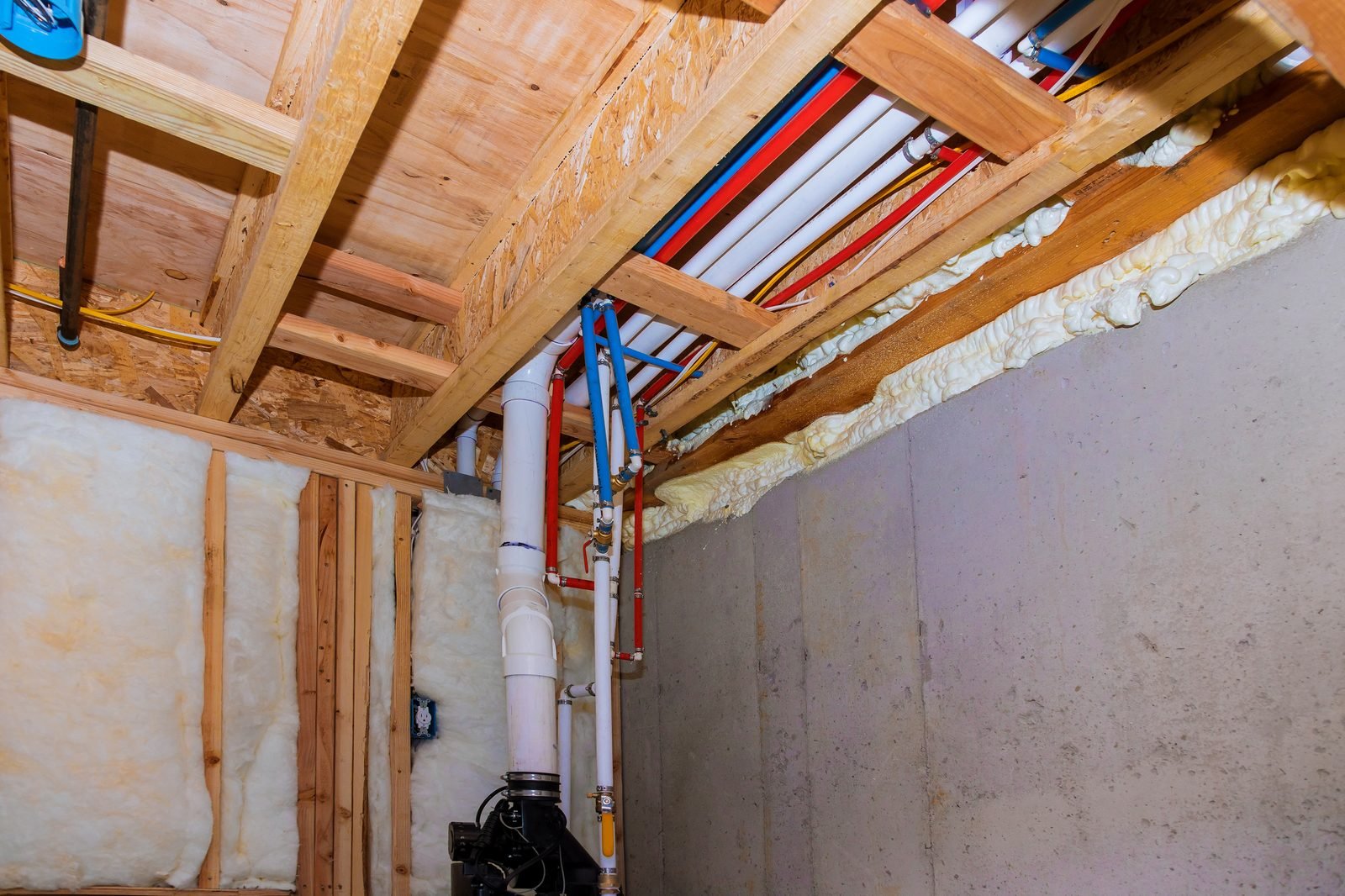
Pipe backfill is one of the easiest inspections to miss and the hardest to re-create. Once the trench is closed and landscaping restored, you cannot see the bedding material, you cannot see the haunching, and you cannot sample the compaction without an invasive investigation.
That is exactly when an engineer letter earns its keep.
What the inspector was looking for
Whether the buried line is sanitary sewer, storm drain, water service, or conduit, the underlying concern is the same: the pipe is fully supported, the bedding resists localized point loads, and the compaction is high enough that the surface above will not settle and expose the pipe to future failure. The typical inspection verifies:
- Trench width and depth per the pipe manufacturer’s recommendations and applicable code.
- Bedding material — clean stone, washed sand, or engineered fill — placed to the proper depth below the pipe.
- Haunching placed in lifts under the lower quadrants of the pipe with hand compaction to avoid displacement.
- Backfill placed in controlled lifts with mechanical compaction to the specified percentage of maximum dry density.
- Warning tape placed above utility lines where required.
How we rebuild the record after the fact
When the backfill has already been placed, we assemble the strongest possible engineering argument from the available evidence:
- Contractor affidavit and progress photos. The contractor’s own photographs of bedding and haunching, if they exist, are the single most valuable piece of documentation.
- Field density testing. When accessible, we take field density readings (nuclear gauge or sand cone) adjacent to the trench to confirm in-place density is consistent with a properly compacted backfill.
- Visual evidence of settlement. The ground surface tells a story. Uniform, firm surface conditions support the compaction claim; visible cupping or ponding along the trench line does not.
- Load testing or deflection testing on the pipe. For sanitary and storm systems, mandrel testing or low-pressure air testing can confirm the pipe geometry survived the backfill.
From these sources, the engineer renders a professional opinion and issues a sealed letter. Where the evidence supports a clean certification, the letter reads that way. Where it does not, the letter recommends specific remediation.
Where these letters come up
Most pipe backfill letters we write are tied to residential additions, pool installations, commercial site improvements, and HOA-driven remediation. If the inspection was missed or the original inspector left a correction that was never re-inspected, the engineer letter usually closes the file.
If you have an open plumbing or site permit tied to a buried line, we can help. Pair this with our missed-inspection service or the storm-repair permit closeout article for post-disaster scenarios.