permits · multi state
Re-Roof Engineer Letter — Closing an Open Roofing Permit
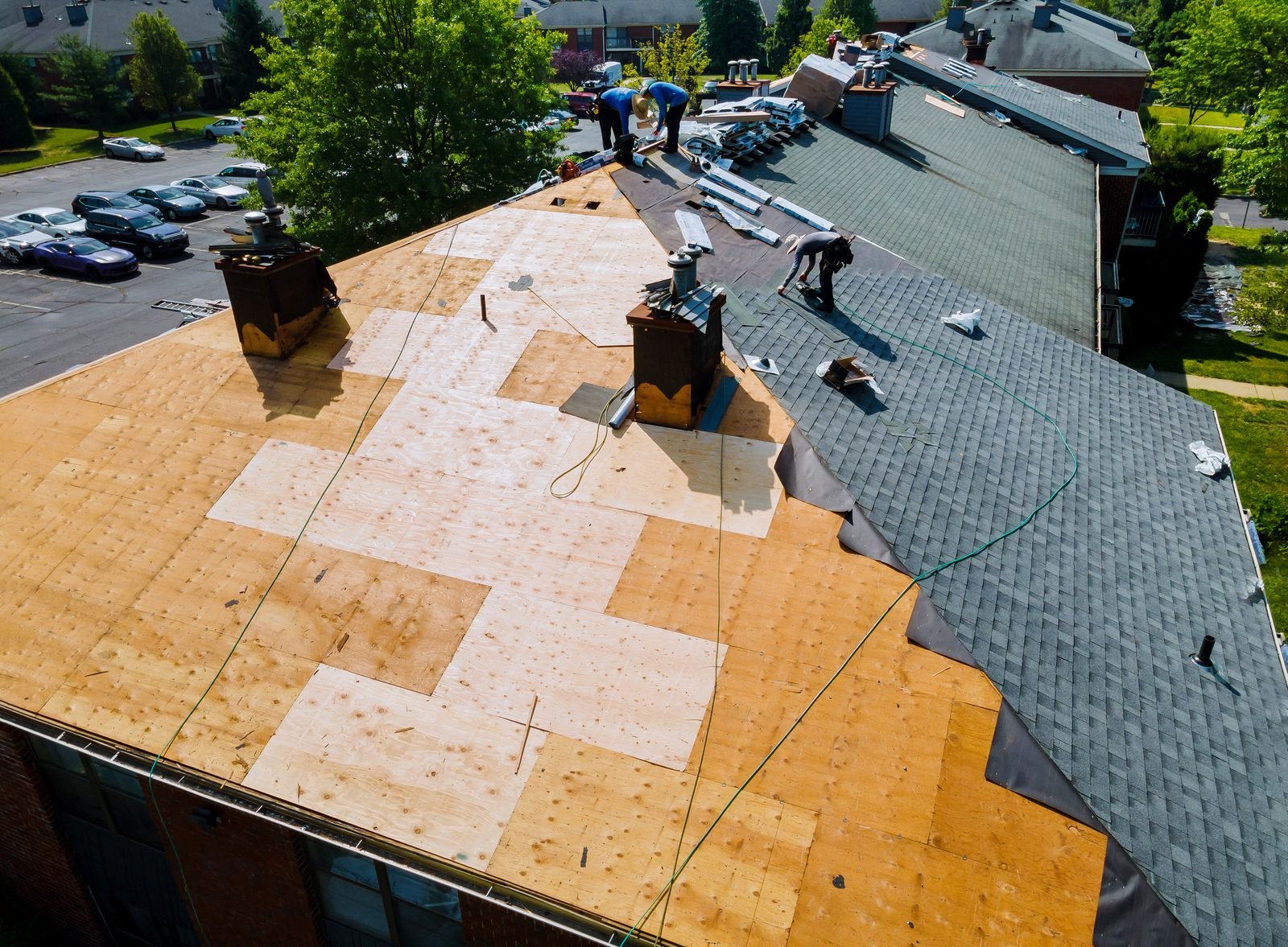
A re-roof is the single most common permit in residential construction and, by volume, the most common missed-inspection file we see. The roofer finishes on a Tuesday, books the inspection, fails it for a detail, fixes the detail, and never calls for the re-inspection. Six months later the permit is stale. Or the roofer finishes after a storm event, files the permit with the insurance package, and everyone forgets about the paperwork.
An engineer letter is the accepted path to closeout in most jurisdictions.
What the letter verifies
The inspector would have checked — and the PE letter certifies — the following for an asphalt shingle or tile re-roof:
- Substrate condition. The deck is sound, fastening is adequate (typically 8d ring shank at 6”/6” or closer in the high-wind region), and any damaged sheathing was replaced.
- Underlayment. Synthetic or felt underlayment installed per manufacturer specification with proper overlaps; in hurricane-prone regions, self-adhering membrane at eaves, valleys, and penetrations.
- Secondary water barrier. For Florida re-roofs, a sealed roof deck or SWR is required on existing structures undergoing re-roofing — FBC specific.
- Shingle fastening. Six-nail pattern where required by wind zone, high-wind-rated shingles for applicable zones.
- Drip edge, starter course, ridge cap, and hip cap details per the manufacturer’s installation instructions.
- Flashing. Step flashing, counter flashing, and pipe boots installed to resist water intrusion.
- Fastener type and length. Corrosion-resistant roofing nails of length sufficient to penetrate the deck.
The storm-repair crossover
A large share of re-roof permits open immediately after hurricanes, tornadoes, and hail events. When the permit closeout is tied to an ongoing insurance claim, the engineer letter often pairs with a forensic damage report from HurricaneInspections.com.
The forensic report answers: how much of the damage was storm-caused versus pre-existing wear? The engineer letter answers: does the installed replacement meet code? Together they close both the permit and the claim. See our storm permit closeout article for the full post-disaster workflow.
Why the letter is usually quick
Roofs are visible. A site visit confirms the product match, the ridge/hip detailing, the flashing condition, and the general installation quality. When we can match the installed product to the permit application and verify the fastening from the exposed edges and penetrations, the letter is a routine deliverable. 24–48 hours is typical.
If you have an open roof permit, reach out. Start a letter here.