case study · multi state
Truss Fire Damage — Repair Certification Case Study
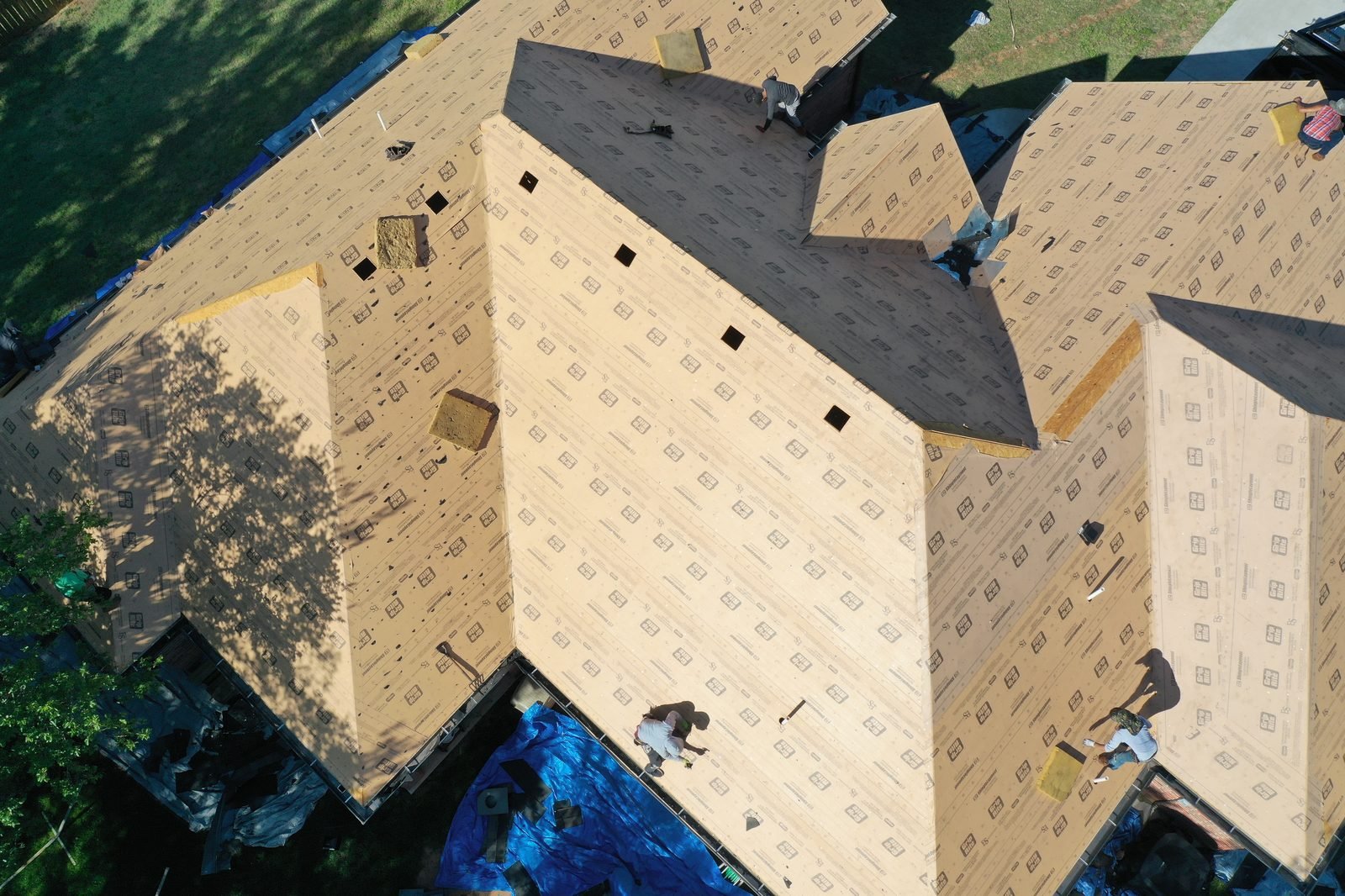
Attic fires are survivable for the house and brutal for the roof framing. Most of the time the flames never reach full flashover, but the heat runs along the truss top chords and plates long enough to char the surface and compromise the metal connector plates at the joints. The question every homeowner, insurer, and contractor needs answered: does this roof need a full tear-off, or can the damaged members be repaired and certified?
The assessment
Our forensic walkthrough for a fire-damaged truss system evaluates:
- Char depth. Wood members retain significant capacity behind the char layer. Per AWC Technical Report 10 and the NDS commentary, we measure char depth at representative members and reduce the effective section accordingly.
- Connector plate condition. Metal truss plate connectors lose capacity at elevated temperatures. Any plate showing discoloration, oxidation, or loss of tooth engagement is flagged for replacement or reinforcement.
- Member deflection and alignment. We check for residual deformation that would indicate members yielded during the fire.
- Sheathing condition. Roof decking that was charred through is replaced; partially scorched decking is evaluated for residual capacity.
- Strapping, hurricane ties, and bearing connections. These are typically replaced outright if they show any heat discoloration, because their capacity is highly sensitive to yield strength changes.
The repair strategy
Based on the assessment, we specify a repair package that typically includes one or more of the following:
Sistered members of equivalent or greater section, fastened per NDS lateral and withdrawal capacities.
Replacement of any metal plate connector with field-installed gusset plates and through-bolts or structural screws to restore joint capacity.
Replacement of all hurricane ties, hangers, and bearing connectors in the affected zone.
Replacement of decking in the char-through zone plus a minimum perimeter of sound material.
The sealed deliverable
After the repair is implemented per the issued plan, we inspect the completed work and issue the final engineer letter certifying that the truss system has been restored to its original design capacity. The letter is what the jurisdiction needs to close the permit; the repair plan is what the contractor uses to do the work.
For insurance claim support tied to fire origin, cause, and damage scope, our affiliated forensic practice at HurricaneInspections.com handles that side of the investigation. (The “hurricane” brand is the most common entry point, but the forensic methodology applies to fire and water losses as well.)
If you have a fire-damaged roof or framing system and need a structural engineer in the loop, reach out. We have written this letter more times than we care to count, and the process is well-established.