foundation · multi state
When Soil Saves the Structure — Subgrade Conditions and Foundation Performance
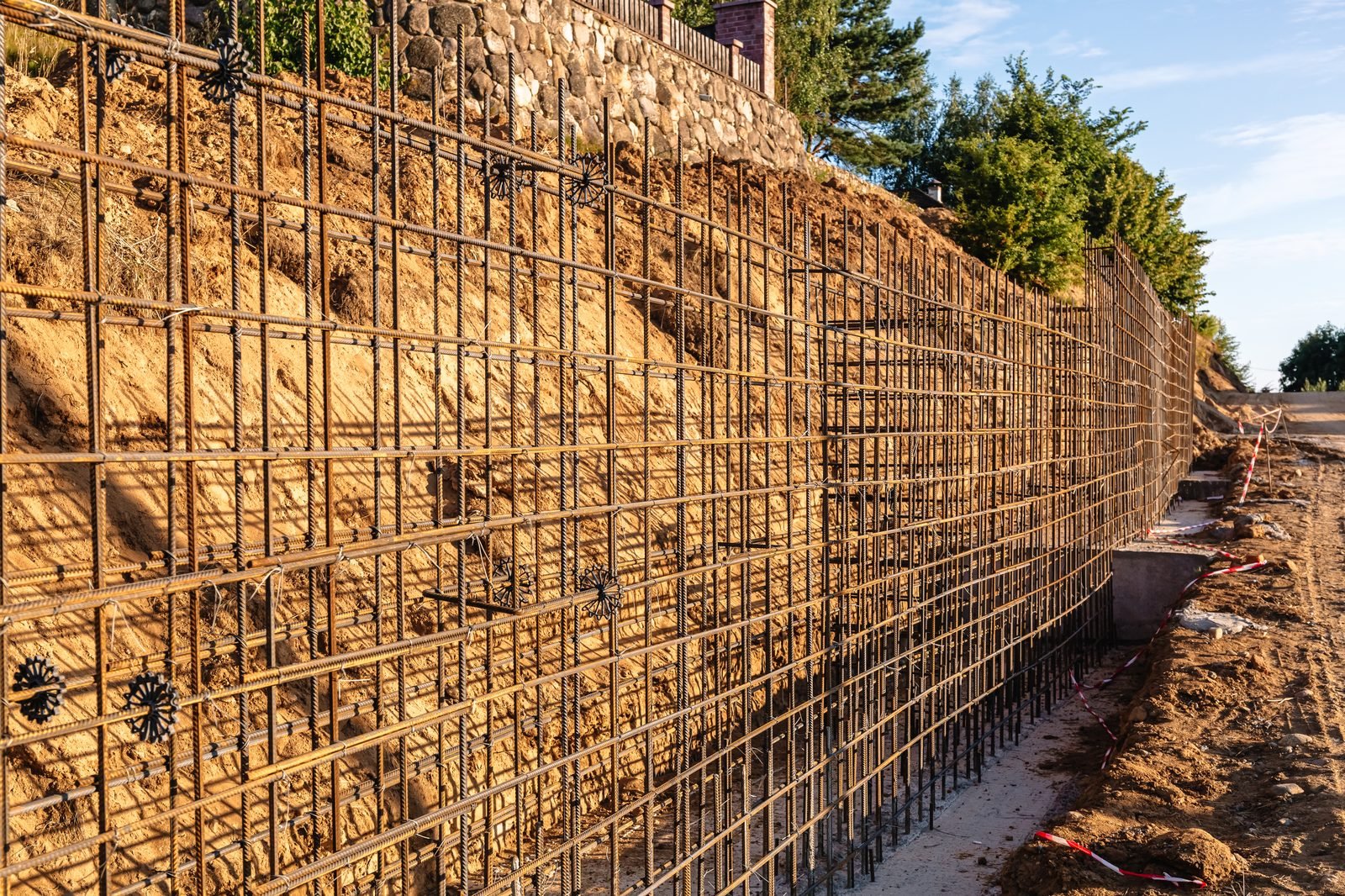
Most foundation failures are not concrete failures. They are soil failures. The concrete does its job right up until the ground underneath shifts, shrinks, swells, or loses bearing capacity — and then no amount of rebar can save the slab.
After a decade of writing foundation engineer letters across Texas, Florida, and North Carolina, a pattern holds: when foundations perform well long-term, the soil beneath them was either well-suited to begin with or properly engineered to compensate. When they fail, the soil was asked to do something it could not.
The four subgrade conditions that decide everything
Bearing capacity. The soil has to hold up the load. For residential construction, a typical assumption is 1,500 psf — but sandy, loose, or organic soils may come in far below that. The IRC allows presumptive values only when the soil matches the category; otherwise a geotechnical report governs.
Shrink-swell potential. Expansive clays change volume with moisture. The Plasticity Index tells the story: PI above 20 is where we start paying close attention, above 30 is where differential movement is practically guaranteed without mitigation. North Texas sees this constantly with Blackland prairie soils; Central Florida sees it in certain pockets of high-plasticity clay.
Moisture behavior. Even non-expansive soils deform differently when wet vs. dry. Drainage management, grading, and downspout discharge have more to do with long-term foundation performance than most homeowners realize.
Consolidation. Clays and silts compress over time under sustained load. If a structure is built on a deep soft clay layer, the slab will keep settling for years — even decades — until the pore pressure dissipates.
What the letter addresses
When we certify a foundation — for a new slab, a remediation, or a manufactured home conversion — the letter speaks to both the structure and the soil that supports it. In most jurisdictions, that looks like:
- Reference to the soil category assumed (either presumptive per the IRC or per an attached geotech report).
- A statement on site-specific features: proximity to trees, cut-and-fill history, drainage patterns.
- Foundation design parameters — footing width, reinforcement, slab thickness — calibrated to the assumed bearing.
- For expansive soils: acknowledgment of the mitigation strategy used (moisture-conditioning, select fill, post-tensioning, pier-and-beam).
- For flood-prone or highly organic soils: the elevation, flood resistance, or deep foundation provisions.
Where the engineer letter is most valuable
Foundation letters carry the most weight when a home is built on marginal soil and the owner needs durable proof that the design considered the subgrade. Two high-value cases:
Texas expansive clays. Our Texas foundation certification article covers the 2018 IRC adoption and the regional soil considerations that decide which foundation type is appropriate. Lenders and appraisers across North Texas and the Hill Country rely on these letters.
Manufactured home conversions. When converting a manufactured home to real property, the foundation must meet HUD’s Permanent Foundations Guide and the state’s recording requirements. The engineer letter ties the as-built foundation back to the soil conditions. See our mobile home to real property article for the full workflow.
The ground under a slab is almost always the untold story of a foundation’s performance. When we write the letter, we make sure it tells that story.